ABOUT THE BOOK
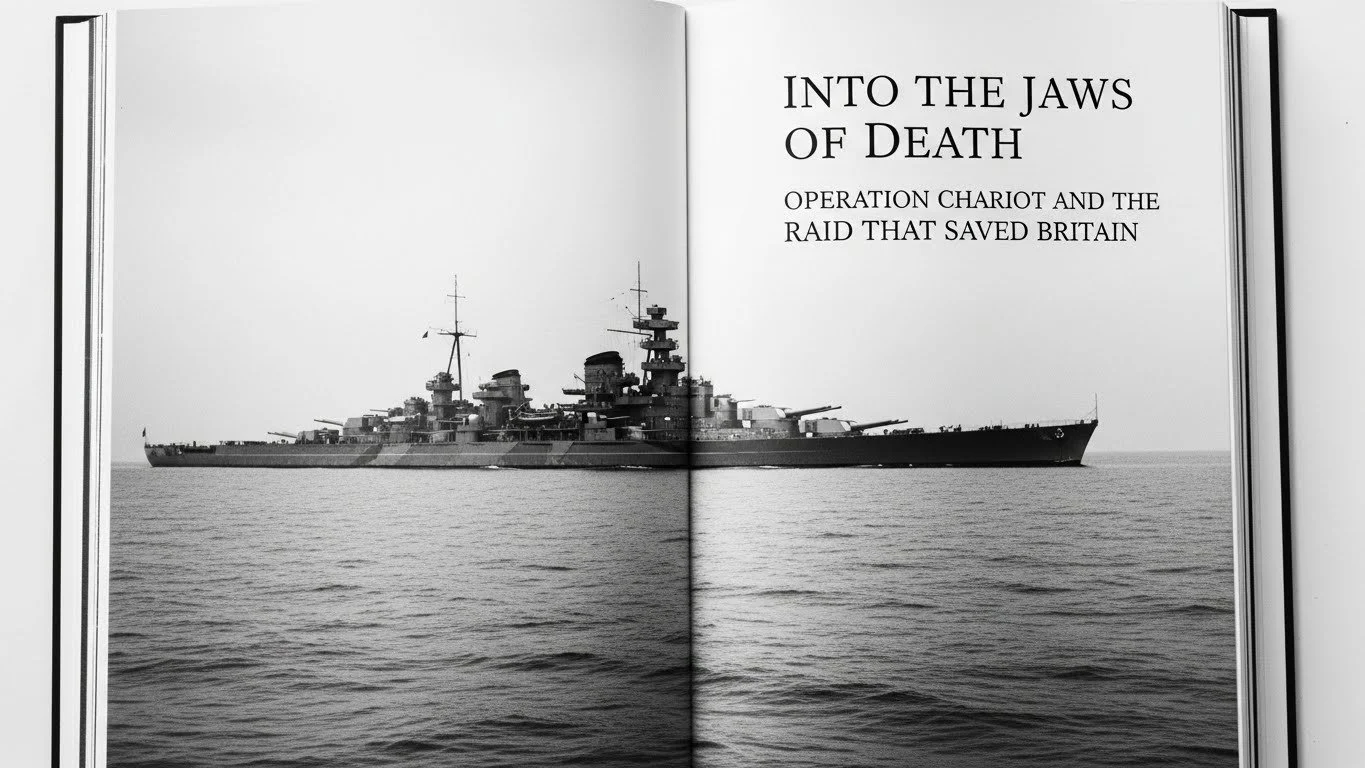
Into the Jaws of Death
Operation Chariot and the Raid That Saved Britain
About Into the Jaws of Death
In 1942, Britain stood perilously close to starvation. German U-boats were sinking merchant ships faster than they could be replaced, and the looming threat of the battleship Tirpitz entering the Atlantic promised disaster on an unimaginable scale. This “Battle of the Atlantic” was, Churchill said, the only thing that kept him awake at night. Only one drydock on the entire French coast the massive Normandie dock at Saint-Nazaire could service Tirpitz.
If the Allies destroyed that dock, Tirpitz would be bottled up in Norway and unable to attack the lifeline keeping Britain alive.
Into the Jaws of Death tells the gripping story of the men tasked with achieving that goal: six hundred volunteers from Britain, Canada, Australia, and New Zealand who boarded an obsolete American-donated destroyer and a flotilla of wooden motor launches for a mission from which many knew they might not return.
The story follows HMS Campbeltown as she accelerates toward the dock gates at ramming speed, packed with delayed-action explosives. It reveals the chaos, courage, and brutal close-quarters fighting that raged through the port as the commandos attempted to demolish key targets before being overwhelmed by German forces.
Drawing on years of research into once-classified British and German documents, as well as interviews with surviving participants and French civilians who quietly aided the raiders who escaped across occupied France, the book brings to life both the strategic brilliance and the human cost of this extraordinary operation.
Combining meticulous documentation with narrative storytelling, Into the Jaws of Death reclaims Operation Chariot as one of the most consequential special operations of World War II.
Operation Chariot the raid on Saint-Nazaire resulted in more decorations for gallantry than any other single action of the Second World War.
This is that story.
What Was Operation Chariot?
Operation Chariot was a 1942 Allied mission aimed at destroying the Normandie drydock in the German-held port of Saint-Nazaire. It was the only dock on the Atlantic capable of repairing the battleship Tirpitz, a major threat to Allied shipping. A force of British Commandos and naval volunteers carried out a carefully planned attack designed to eliminate this repair facility and shift the balance of naval power in the Atlantic.
The Daring WWII Raid Explained
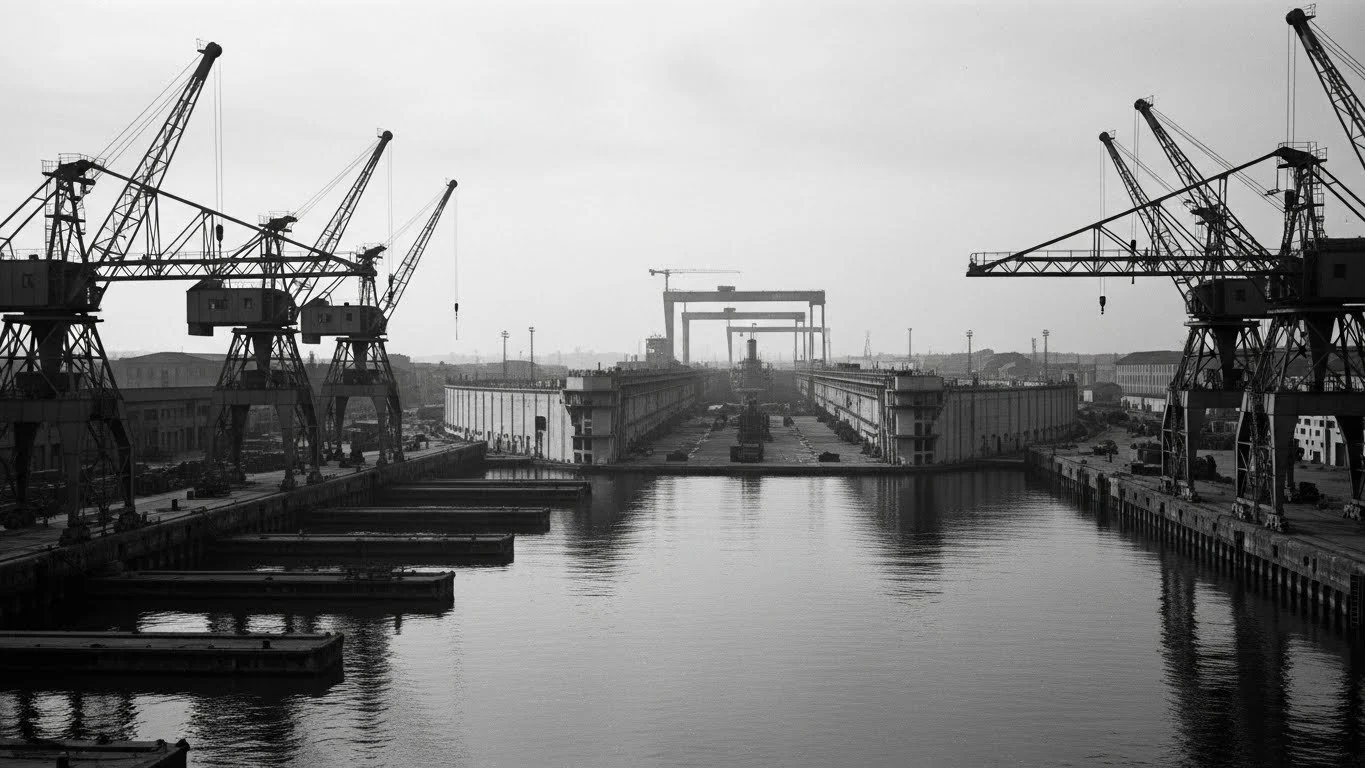
On the night of March 27-28, 1942, 611 men sailed toward certain death. Their mission: destroy the largest drydock in the world before Germany's most powerful battleship could use it to devastate the Atlantic convoys keeping Britain alive.
Operation Chariot the raid on Saint-Nazaire would become the most decorated single action in World War II history. Yet most people have never heard of it.
The Strategic Crisis: Why Saint-Nazaire Had to Be Destroyed
By early 1942, Britain was losing the Battle of the Atlantic. German U-boats were sinking merchant ships faster than the Allies could replace them, strangling the flow of food, fuel, and ammunition that kept the nation functioning. Churchill later wrote that the U-boat threat was "the only thing that ever really frightened me during the war."
But an even greater danger loomed: the German battleship Tirpitz.
Sister ship to the infamous Bismarck, Tirpitz was the most powerful warship afloat. If she broke into the North Atlantic convoy lanes, she could cripple Britain's supply lifeline in weeks. The Admiralty knew that protecting convoys against both U-boats and a super-battleship would be nearly impossible.
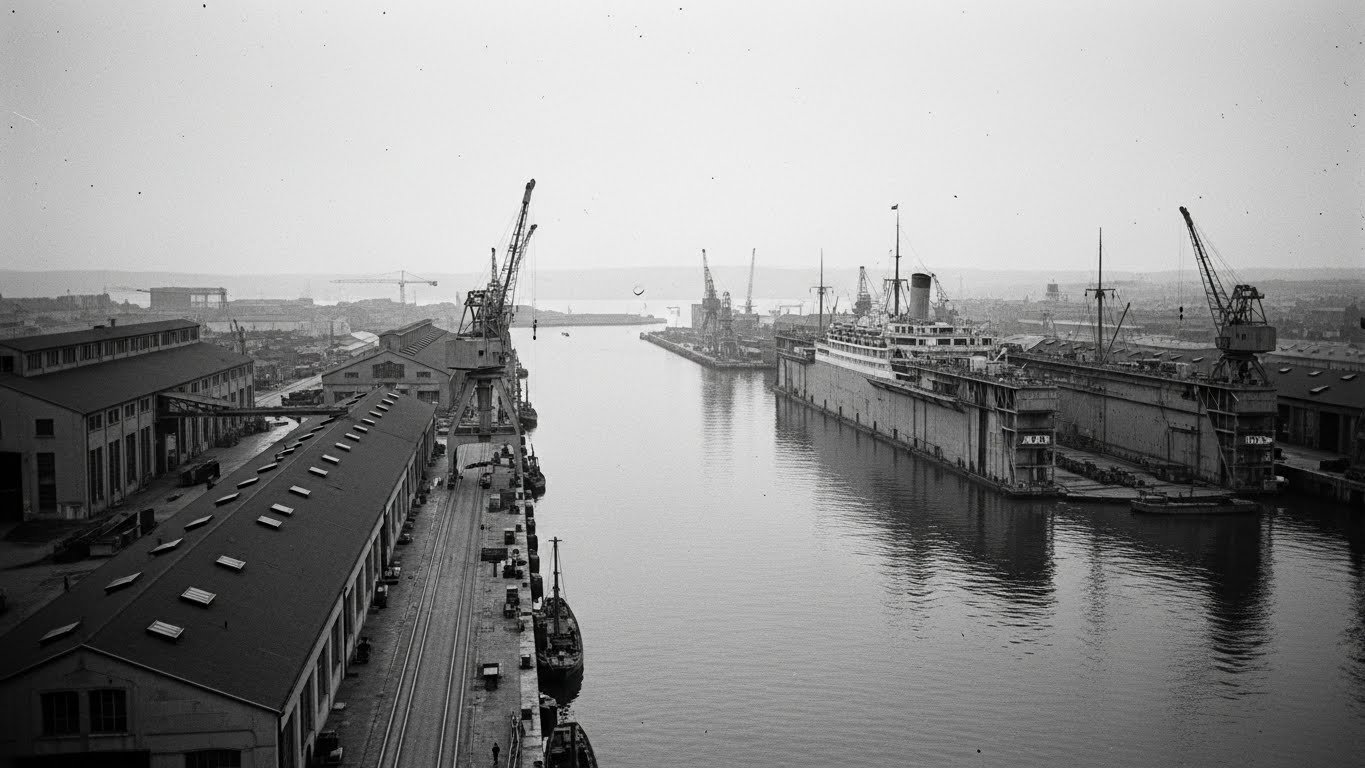
There was only one drydock on the entire Atlantic coast capable of servicing Tirpitz: the massive Normandie Dock at Saint-Nazaire, France. Originally built to accommodate the luxury liner Normandie, this enormous facility represented Germany's only repair option for damaged capital ships operating in the Atlantic.
The solution was brutally simple: destroy the dock, and Tirpitz would be trapped in Norway, unable to risk Atlantic operations without a repair facility.
The Audacious Plan: HMS Campbeltown as a Floating Bomb
The plan conceived by Combined Operations was as brilliant as it was desperate. Take HMS Campbeltown, an obsolete American destroyer transferred to Britain under the Lend-Lease program, and convert her into a floating bomb. Pack her bow with four tons of high explosives sealed behind steel and concrete, disguise her to resemble a German Möwe-class destroyer, and ram her into the dock gates at full speed.
The delayed-action fuses would detonate hours later, when German engineers were examining the wreck destroying both the dock and its critical pumping machinery.
Alongside Campbeltown, seventeen wooden motor launches would carry 268 British Commandos supported by Canadian, Australian, and New Zealand volunteers to land at Saint-Nazaire and destroy secondary targets: pumping stations, lock gates, fuel tanks, and harbor installations.
The expected casualty rate was 60-70 percent. Lord Mountbatten, head of Combined Operations, personally told volunteers they could withdraw without shame. Not a single man did.
The Raid: "Into the Jaws of Death"
Just after midnight on March 28, 1942, the flotilla approached Saint-Nazaire. German searchlights swept the estuary. Shore batteries covered every approach. Six thousand troops garrisoned the port.
Campbeltown flew German colors and her crew signaled false identification codes, buying precious minutes. But at 1:28 AM, the deception collapsed. Every German gun opened fire simultaneously.
What followed was carnage. The wooden motor launches, their fuel tanks exposed on deck, erupted into fireballs under shell and tracer fire. Men burned alive or drowned in the freezing Loire. Yet Campbeltown charged forward through the maelstrom, ramming into the dock gates at 20 knots, her bow crumpling exactly as planned.
Commandos poured ashore into brutal close-quarters fighting. For ninety minutes, they battled through the port complex, placing demolition charges while German reinforcements converged from all directions. By dawn, most were killed or captured. Only a handful escaped.
The Explosion That Changed the War
At noon on March 28—over ten hours after the ramming Campbeltown exploded with devastating force. The blast killed hundreds of German personnel who had been examining the "harmless" wreck, destroyed the dock gates completely, and wrecked the critical pumping machinery.
The Normandie Dock would remain unusable for the rest of the war.
Tirpitz never entered the Atlantic. Denied her only repair facility, she remained bottled up in Norwegian fjords, her strategic potential neutralized. The raid had achieved its objective.
A Legacy of Extraordinary Courage
Operation Chariot resulted in five Victoria Crosses Britain's highest award for valor along with four Distinguished Service Orders and dozens of other decorations. No other single action in World War II produced more awards for gallantry.
Of the 611 men who sailed that night, 169 were killed and 215 captured. Yet their sacrifice altered the course of the Battle of the Atlantic and helped ensure Britain's survival.
Despite its strategic significance and the extraordinary heroism involved, the raid on Saint-Nazaire remains overshadowed by more famous operations like D-Day or the Dambusters. My forthcoming book, Into the Jaws of Death: Operation Chariot and the Raid that Saved Britain, draws on newly declassified British and German archives, along with interviews with surviving participants and French civilians who aided the escapees, to tell the complete story of this remarkable mission.
When Channel 4 broadcast a documentary about Operation Chariot in 2007, it became one of the year's highest-rated history programs and has since accumulated over 7.6 million views on YouTube. The sustained interest proves that audiences recognize the significance of what these 611 men accomplished on that March night in 1942.
They sailed into the jaws of death and changed history.
Why This Raid Mattered
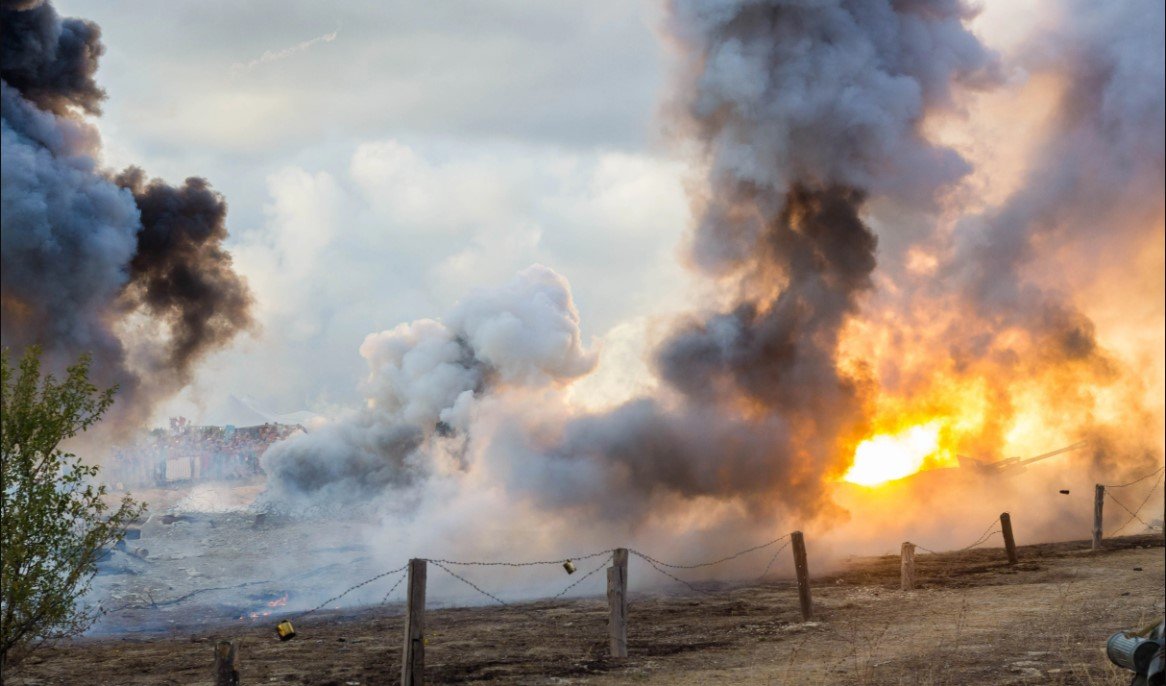
The Saint-Nazaire raid removed the last safe haven for the German battleship Tirpitz.
Destroying the Normandie drydock meant the ship could no longer enter the Atlantic, protecting Allied convoys and shifting the balance of naval power. Operation Chariot had strategic impact far beyond its size, forcing Germany to rethink its naval operations and giving the Allies critical breathing room at a turning point in the war.
The raid on Saint-Nazaire was not merely audacious, it was strategically decisive. By destroying the only Atlantic dock capable of servicing Tirpitz, Operation Chariot eliminated Germany's ability to threaten the convoy routes that kept Britain alive in 1942.
The operation forced the German battleship to remain bottled up in Norwegian waters, fundamentally altering German naval strategy for the remainder of the war. British and American planners could allocate resources to other theaters knowing Tirpitz posed a contained threat rather than an existential one.
The raid resulted in more decorations for gallantry than any other single action of World War II, five Victoria Crosses, four Distinguished Service Orders, and dozens of other awards. Yet it remains less known than D-Day, the Dambusters, or other celebrated operations.
Into the Jaws of Death corrects this historical oversight.
Why This Book Now
Almost eighty-five years after Operation Chariot, declassified documents and the passing of the last generation of participants make this the definitive moment to tell the complete story. Recent scholarship on the Battle of the Atlantic has highlighted the critical role of special operations, while popular series like SAS: Rogue Heroes have demonstrated sustained public interest in World War II commando operations. Into the Jaws of Death brings scholarly rigor to a story that deserves and has never fully received the same recognition as D-Day or the Dambusters Raid.
Into the Jaws of Death brings together newly examined archives, firsthand accounts, and long-overlooked perspectives to tell the full story of Operation Chariot. The book highlights the planning behind the raid, the leadership under extreme pressure, and the civilians and sailors whose roles have rarely been documented. By combining fresh research with clear narrative detail, it offers a modern, comprehensive look at one of the most important and least understood operations of World War II.
Key Selling Points
• A complete, narrative account of the 1942 Saint-Nazaire raid—from planning to aftermath
• Draws on newly examined archives, firsthand testimony, and rarely documented perspectives
• Clear strategic explanation of why the Normandie drydock and the battleship Tirpitz mattered
• Focuses on the leadership decisions and extreme pressures behind the mission
• Highlights the courage of Commandos, naval volunteers, and civilians involved in the operation
• Written for readers of Antony Beevor, Ben Macintyre, and modern WWII narrative nonfiction
• Combines historical accuracy with a fast, accessible narrative for general audiences
Archival Research
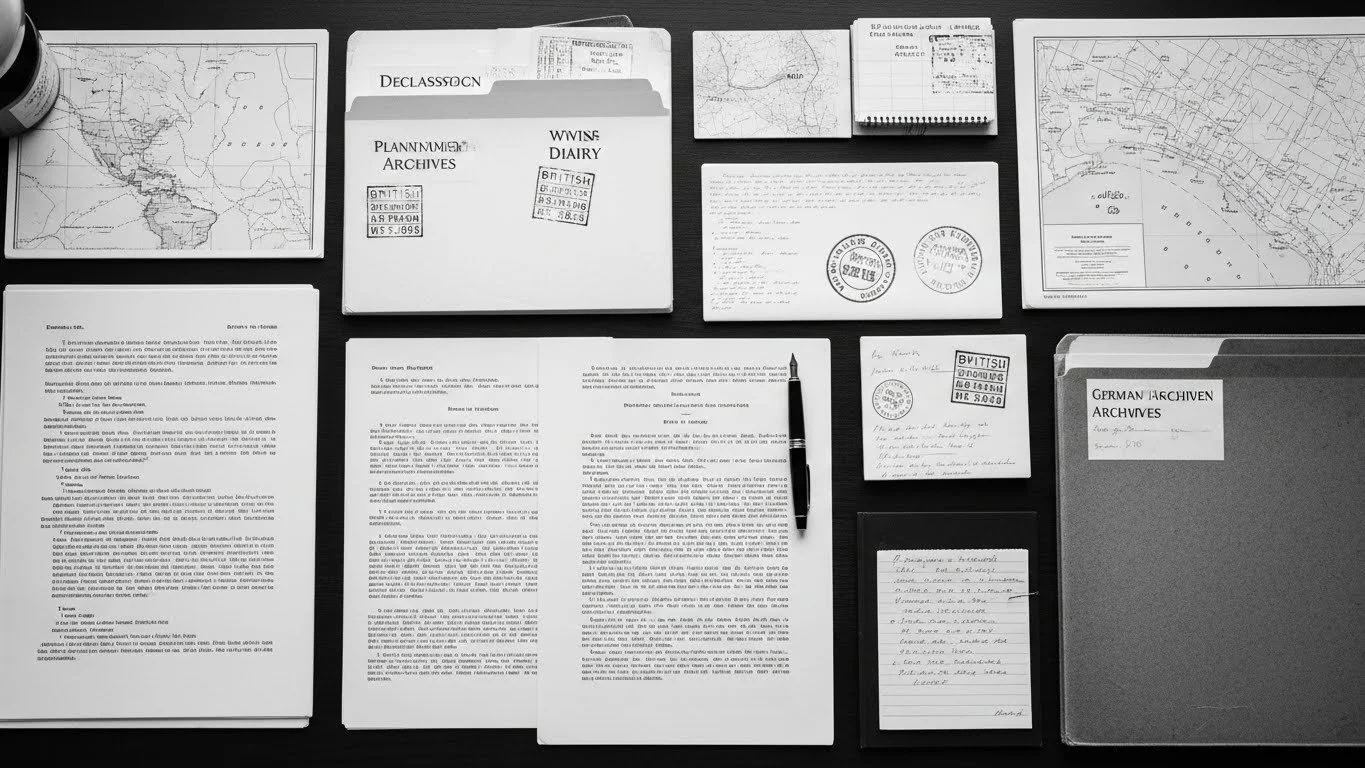
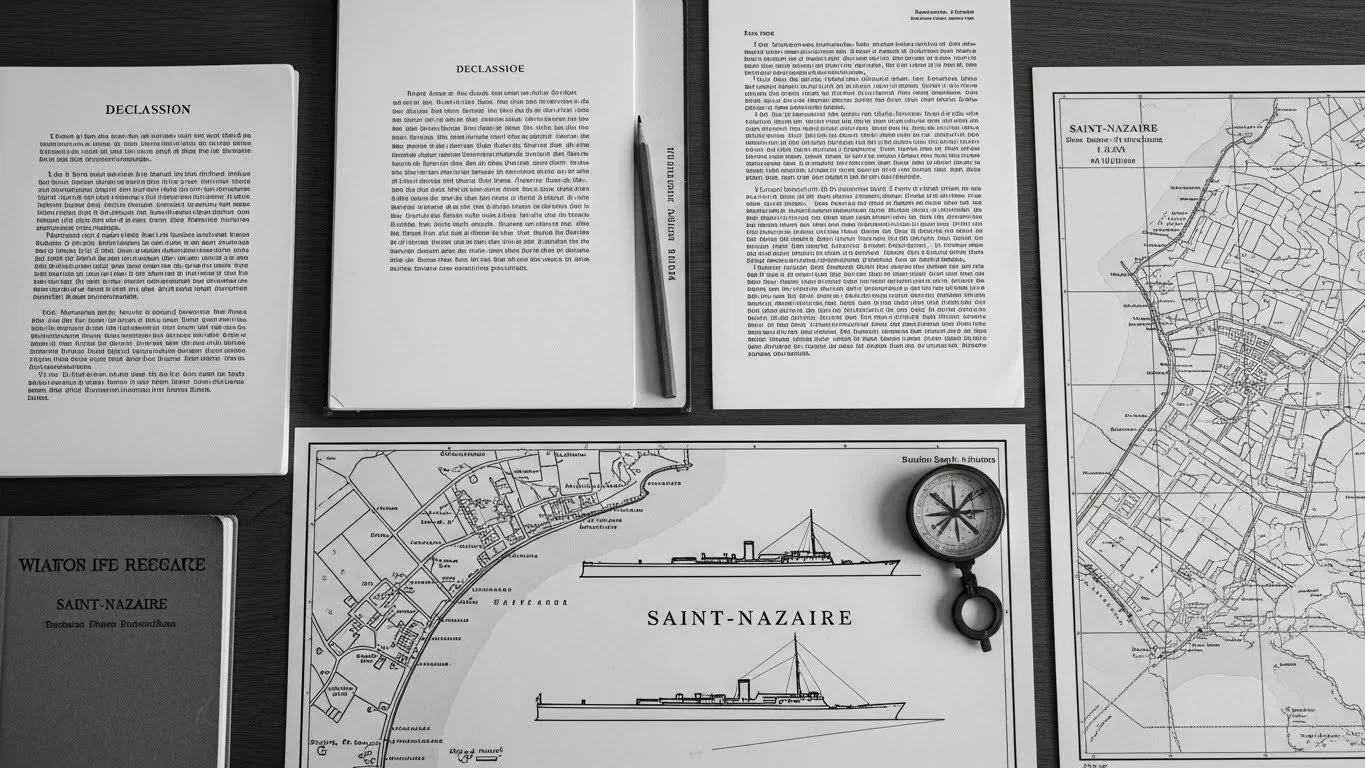
The book draws from hundreds of primary sources, including:
· British Combined Operations files
· Admiralty planning documents
· Royal Navy after-action reports
· National Archives declassified planning and after-action reports
· Imperial War Museum war diaries
· German High Command (OKW/SKL) entries
· Naval Flak Regiment and harbor-defense reports
· Luftwaffe coastal-sector logs
· German naval staff diaries and internal communications
· Firsthand Testimonies & Civilian Accounts
These interviews with surviving British participants and with French civilians who witnessed the raid and later aided escaping commandos as they traveled across occupied France provide new dimension and humanity to the historical record.
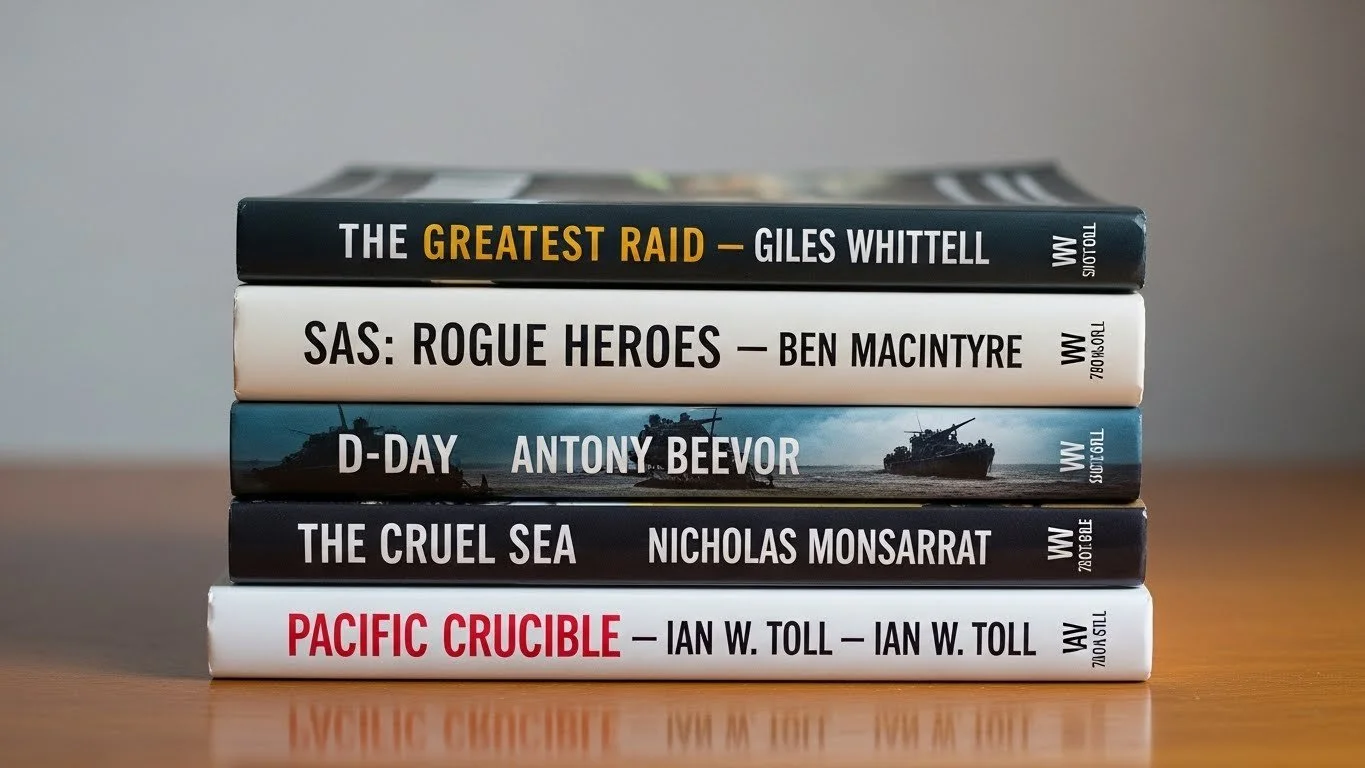
Books that share the narrative style, scope, or historical focus of Into the Jaws of Death.
• The Greatest Raid — Giles Whittell
A modern retelling of the Saint-Nazaire mission, focused on narrative clarity and historical context.
• SAS: Rogue Heroes — Ben Macintyre
Narrative-driven WWII storytelling centered on daring missions and elite units.
• D-Day — Antony Beevor
Comprehensive military history blending strategic analysis with human stories.
• The Cruel Sea — Nicholas Monsarrat (optional but highly relevant)
A classic narrative of naval warfare and convoy life, matching the book’s maritime themes.
• Pacific Crucible — Ian W. Toll (optional if you need one more)
Rich narrative history linking leadership decisions and strategic outcomes.